 01
Sports injury & rehab
A return-to-sport plan built around your load, not a generic handout.
€40
per session
30 min · 45 min · 60 min
Physiotherapy · Rehabilitation · Movement
One-to-one physiotherapy for sports injuries, persistent pain and life after surgery. You get a full assessment, a straight answer about what is wrong, and a plan with a timeline you can hold us to.
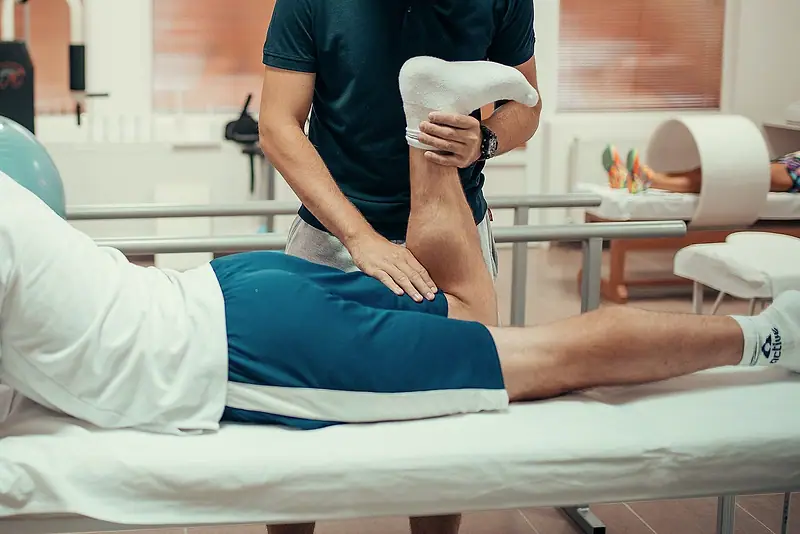
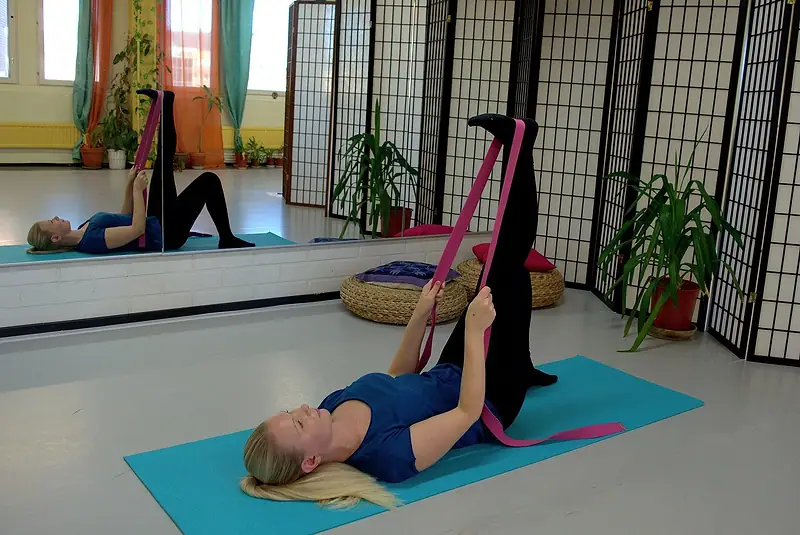
Range of motion
Our approach
The first appointment is an hour of looking at how you actually move, what hurts, and what you want back. You leave knowing what is going on, how long it should take, and what to do before the next visit.
Treatments
Each treatment can run for 30, 45 or 60 minutes depending on what you need.
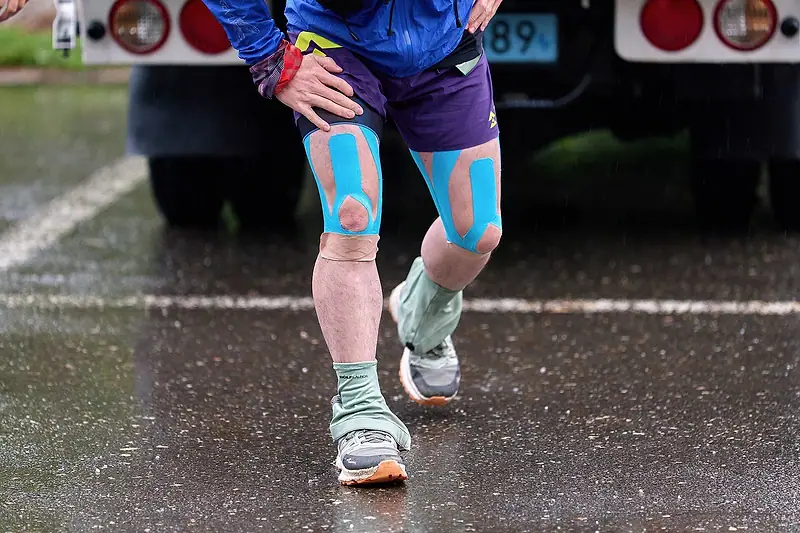
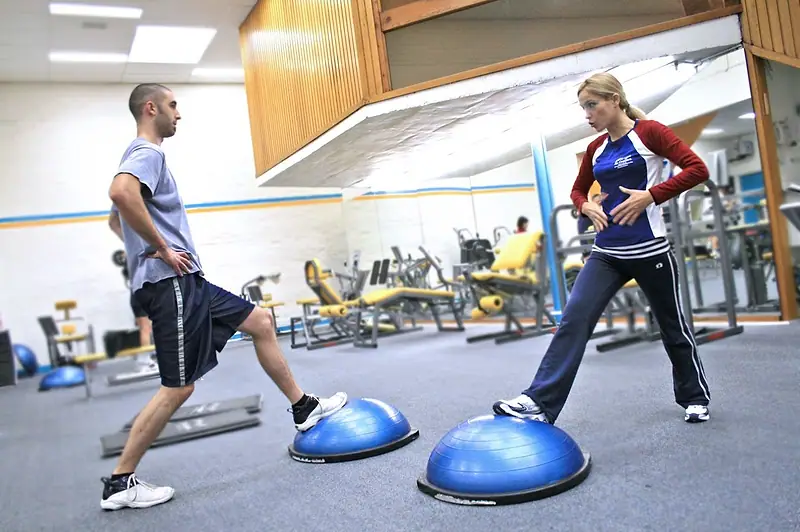
01A return-to-sport plan built around your load, not a generic handout.
 02
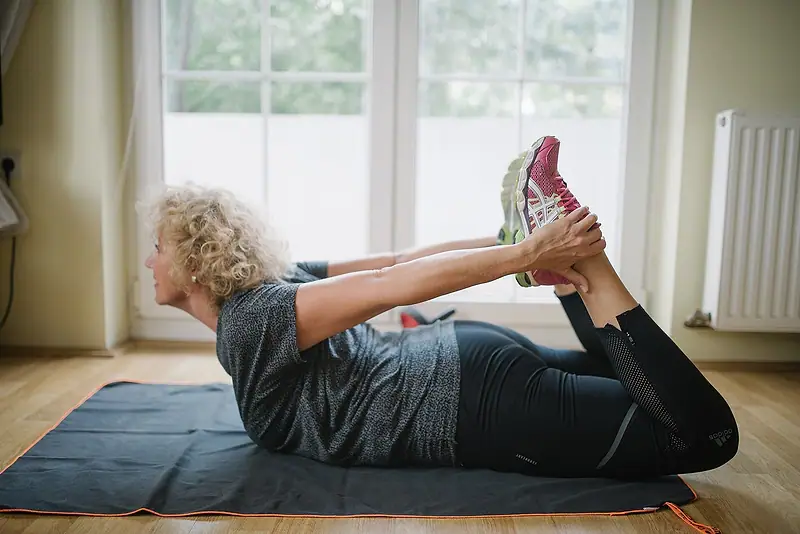
Hands-on joint and soft-tissue work to restore movement.
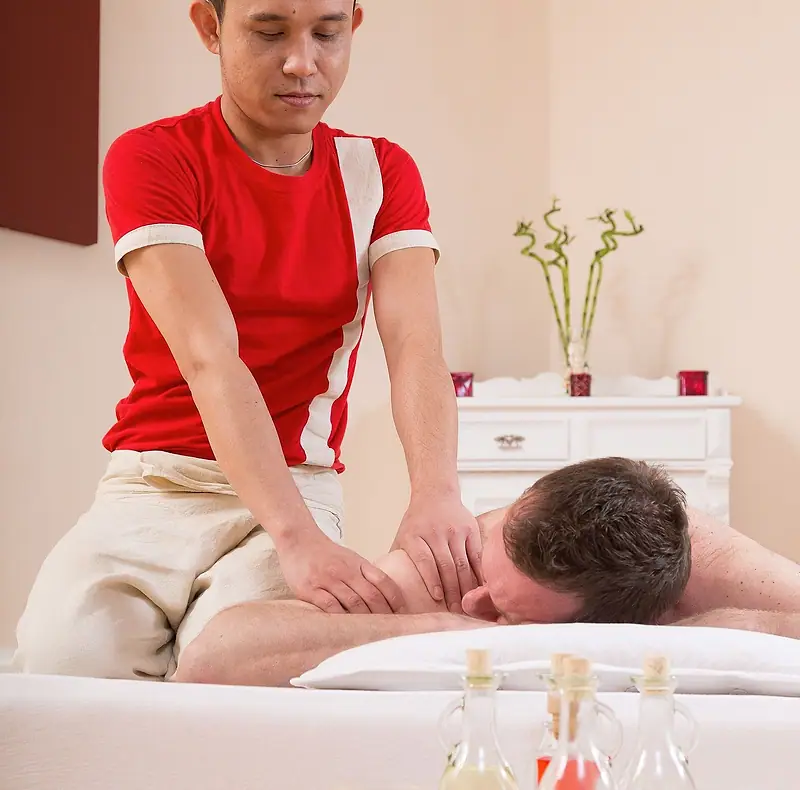 03
Therapeutic massage for tension, recovery and load management.
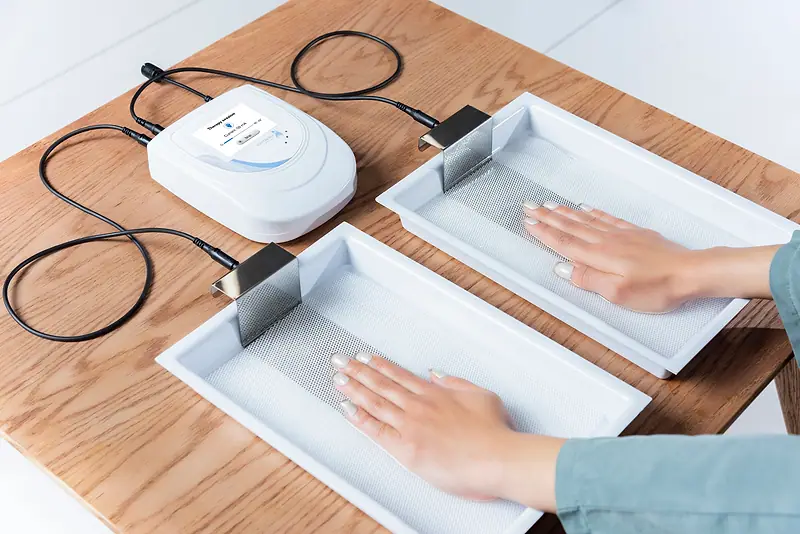 04
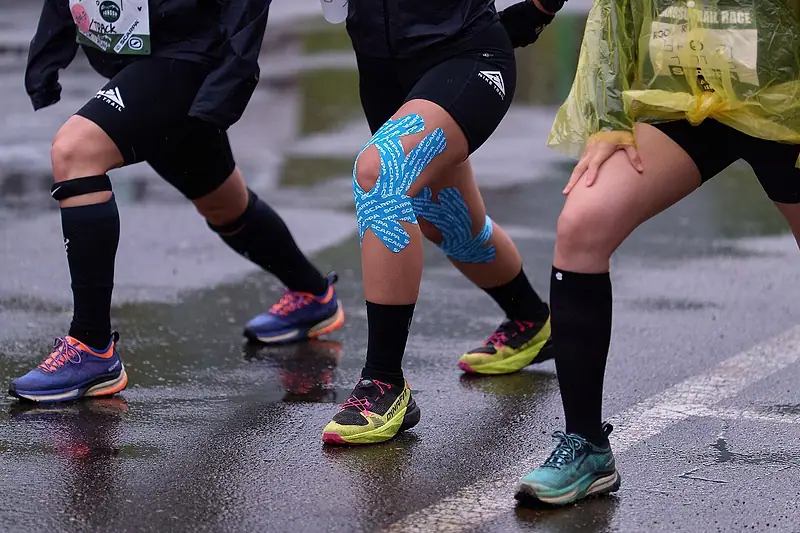
TENS, ultrasound, shockwave and heat/cold to calm and stimulate tissue.
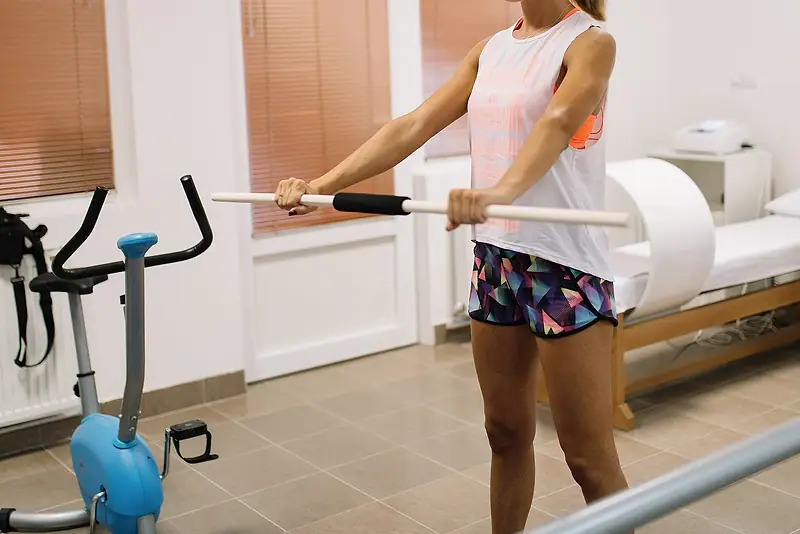 05
Structured recovery after surgery, stroke or nerve injury.
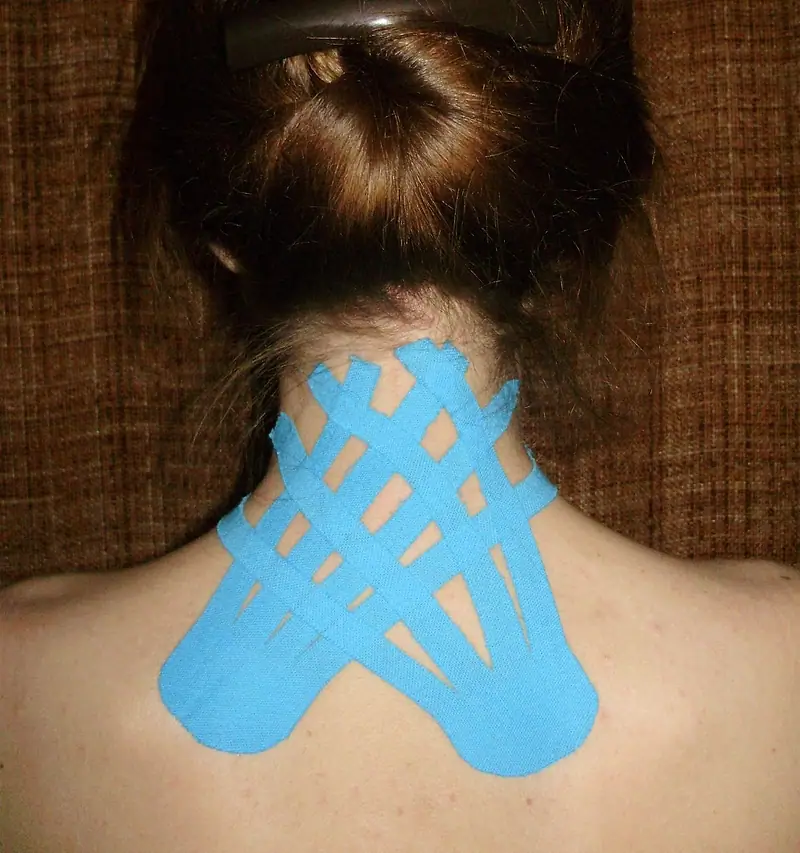 06
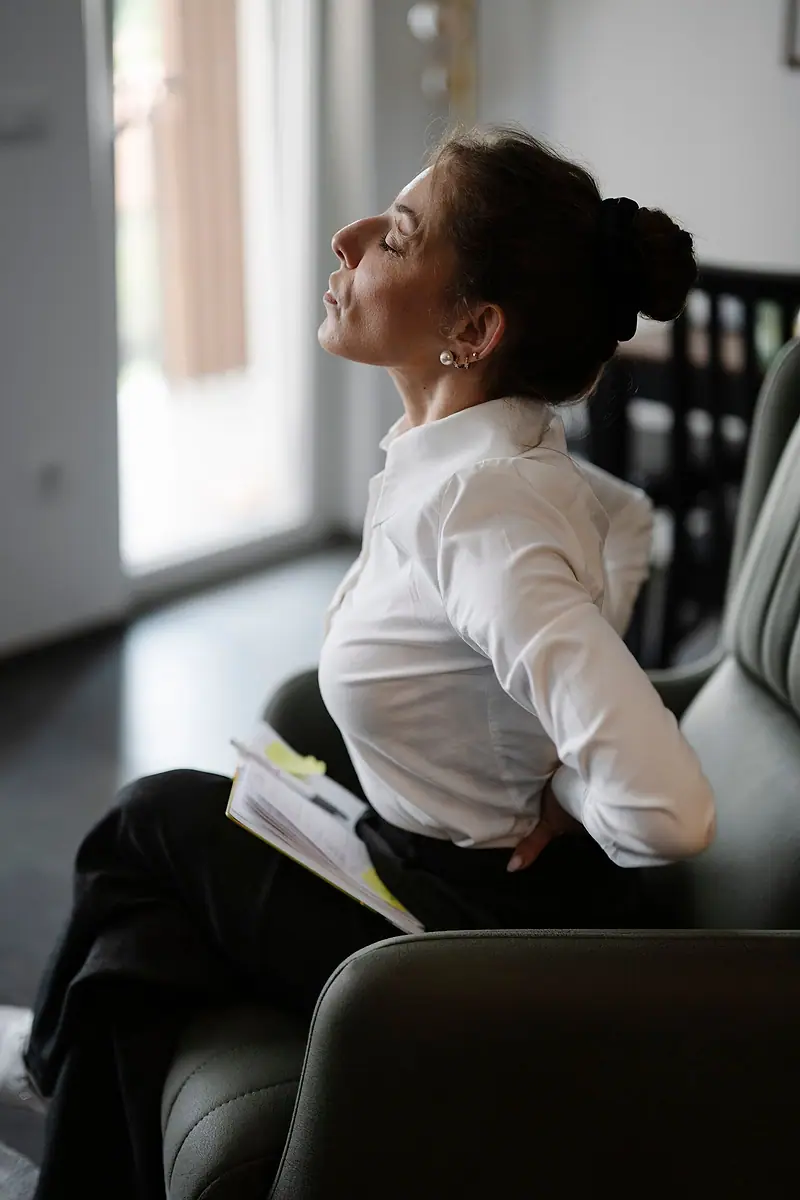
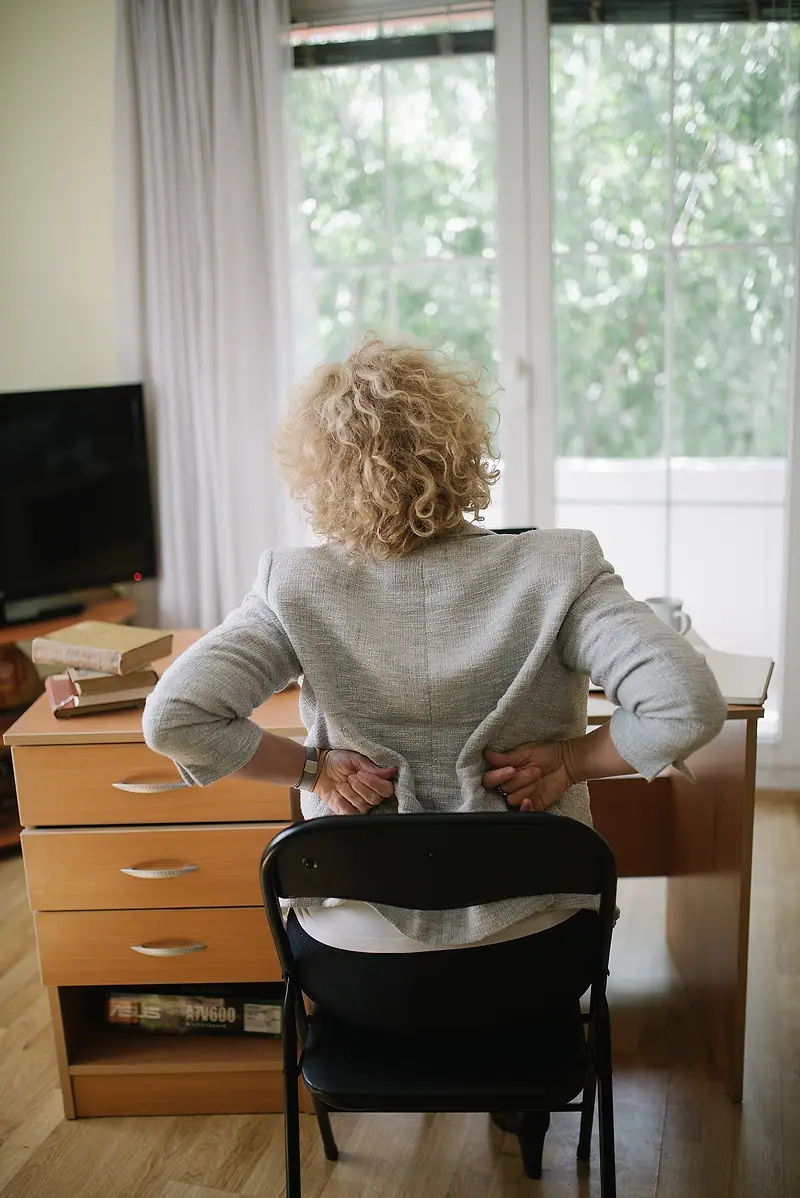
For desk-bound backs, stubborn necks and the way you sit and stand.
Common reasons people come to us
Where we meet
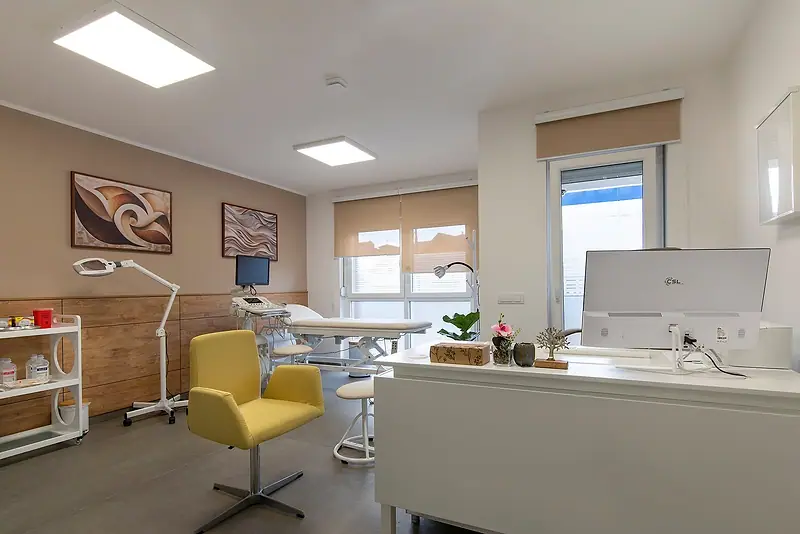
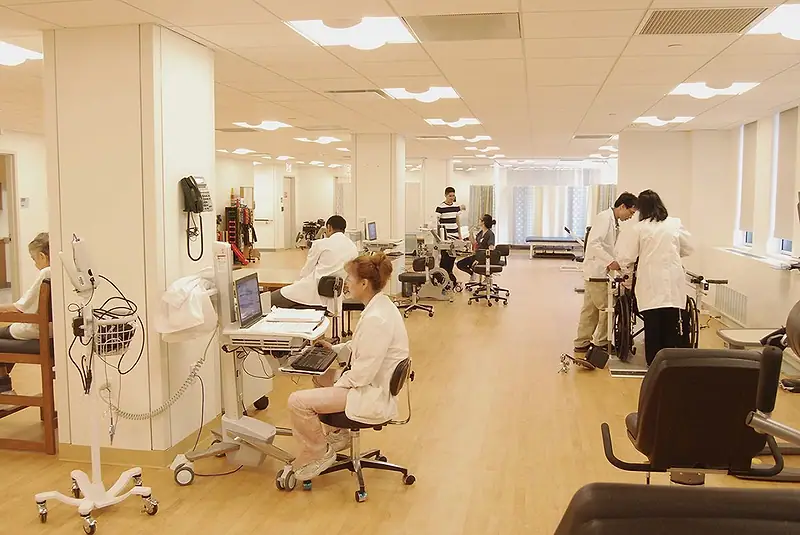
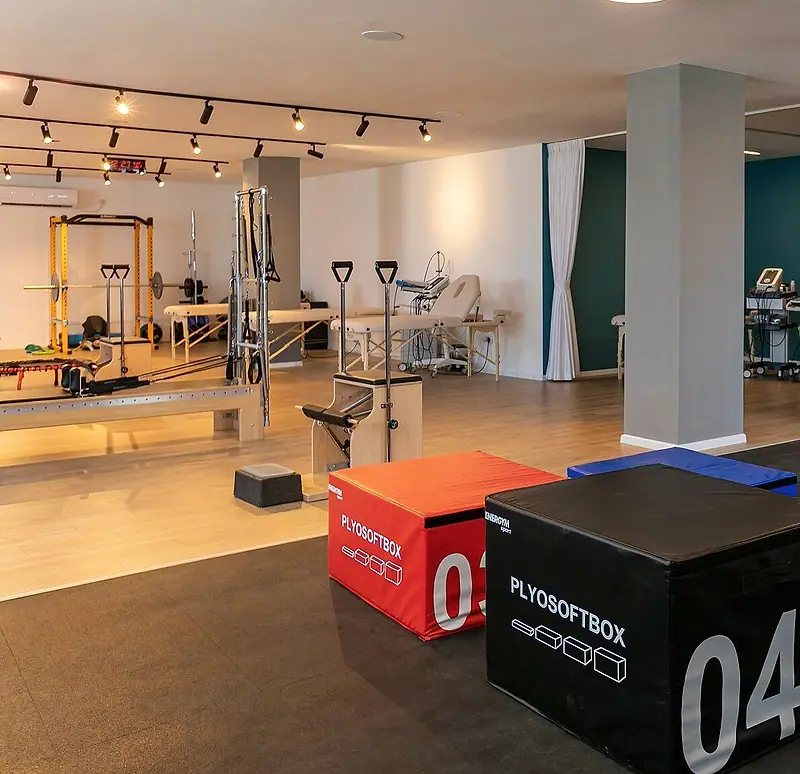
Full assessment, treatment tables and rehab equipment.
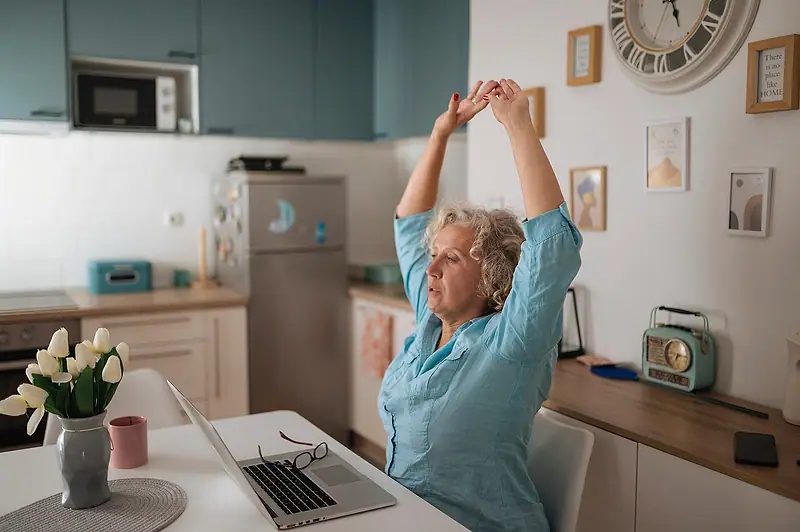
Treatment in your own space when getting out is hard.
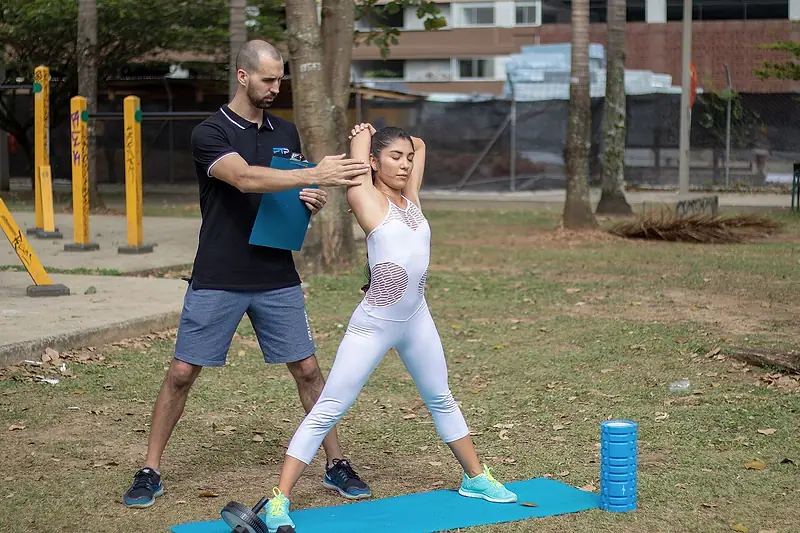
Sessions at your club or gym, close to where you train.
Your therapist
You see the same clinician every visit — the assessment, the treatment and the progress check. We are a solo practice today and built the diary so a wider team can join without anything breaking.
Physiotherapist · Clinic founder
Hands-on, assessment-led physiotherapy with a straight answer and a plan you can actually follow.
From the clinic
Longer pieces than we can fit in an appointment — written by the person who would treat you.
Posture gets blamed for almost every sore back, and the evidence for it is weaker than you would expect. What usually matters is how much your back has been asked to do recently, and how little it has been asked to do before that.
Everyone wants a date. Here is the honest range, why the first two weeks feel slower than they should, and the one stage almost everybody cuts short.
Decades of advice about upright posture have not produced fewer sore backs. The research has quietly moved on, and what replaced it is easier to actually do.
Physiotherapy · Rehabilitation · Movement
Not sure which treatment fits? Send a short note and we will call you back with a recommendation — no obligation.